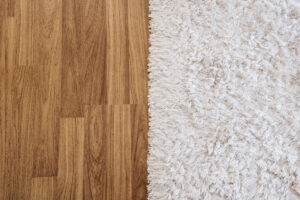
With underfloor heating becoming one of the fastest growing sectors in the British heating industry, it is safe to say that this cosy installation is something to be desired, especially in the chilly months! But, we hear you ask, how do you make your underfloor heating as efficient as possible? What is the best flooring for underfloor heating? Are there any that are incompatible?
We’ve got you covered! In the following guide, we will consider six different floor coverings to help you decide what the best option for underfloor heating in your home could be. We will discuss:
- Things to Consider
- 6 Flooring Options for Underfloor Heating
- The Best Flooring for Underfloor Heating
Things to Consider
When it comes down to the numbers, the best flooring for underfloor heating is the one that most efficiently transfers heat from the chosen heating system to the surface of the floor. Harder surfaces, like stone, are usually the best in this case, but other options exist for a reason! Depending on the unique needs of your home, you may want to balance the heat transfer consideration with other things, such as cost, style, and durability. Here are a few things to ponder on:
- Thickness: Thicker materials can act as a barrier for insulation in some cases, which reduces heat transfer. For this reason, thinner and less dense materials tend to be more efficient.
- Size of the Area: Typically, the larger the area, the larger the maximum heat output needs to be since larger spaces experience greater heat loss. So, if you’re only looking to install underfloor heating in a small space, less efficient materials may be more than suitable.
- Moisture Sensitivity: Certain options, like wood (especially hardwood), can warp and degrade with exposure to temperature change and moisture over time. High-humidity areas like bathrooms will need a floor covering that is resistant to both.
- Comfort and Aesthetic: Stone and tiles, whilst hugely efficient in an underfloor heating system, may simply not be as comfortable to you as carpet. Plus, you’ll likely want to choose a floor covering that fits the overall style of your home well!
- Durability and Maintenance: All homes are different, and some materials are more durable and easier to clean than others. Make sure that the chosen floor covering is compatible with your specific requirements. For example, consider pet-friendliness, high traffic areas, or rooms with higher levels of moisture exposure, such as bathrooms.
- Installation Requirements: Certain materials may need additional preparation steps or may take longer to be ready to use.
- Cost: Different options vary on the cost scale, and so factoring this into your considerations will ensure that you get a great finish without overspending. Don’t forget to factor in extra costs like installation and maintenance requirements!
Are There Any Incompatible Floor Coverings?
Generally speaking, almost all floor coverings can be used for underfloor heating. However, it is always advisable to check manufacturing guidelines to ensure that your chosen flooring is safe to use.
Sensitive flooring (such as certain types of carpet) can still be used for underfloor heating, as long as it is protected well with a sensor to limit the top temperature of the system. As a rule, the maximum temperature of the floor should never exceed 27°C, but most underfloor heating systems will have the necessary prevention elements contained within them.
That being said, those floor coverings that insulate heat (particularly thick carpet and hardwoods) are generally inefficient choices for underfloor heating. This is because they will prevent effective heat transfer which reduces the overall effectiveness of the system.
6 Flooring Options for Underfloor Heating
Now you’ve got your considerations down, it’s time to delve a little deeper into each of your flooring options for underfloor heating.
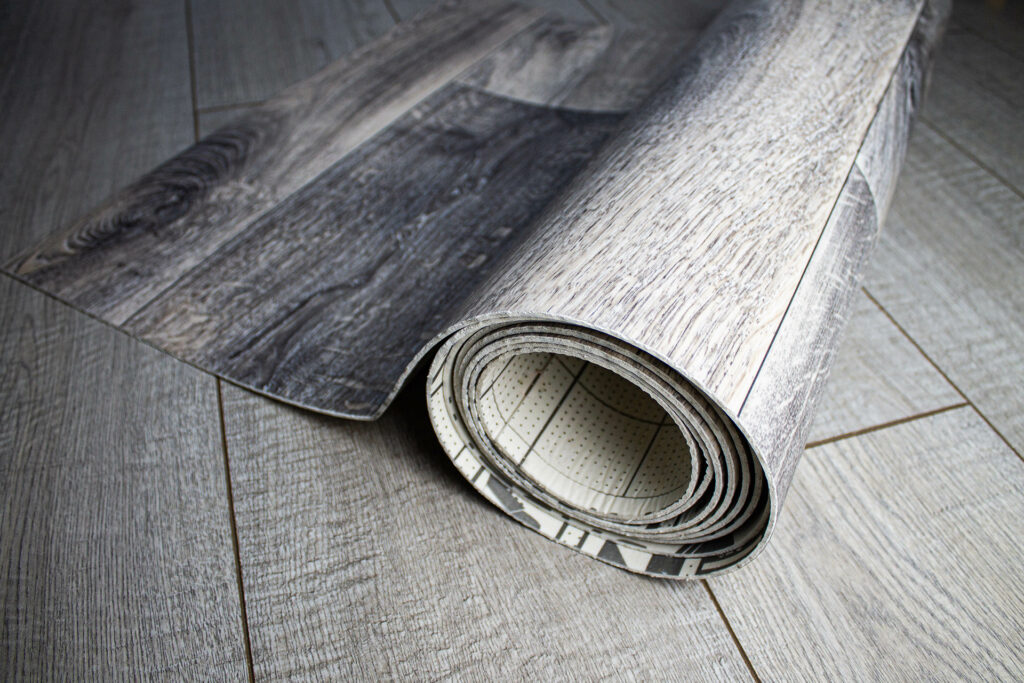
1. Vinyl and Lino
A high-quality vinyl or lino has a stylish and sleek look that suits both traditional and contemporary homes.
Benefits
- Quite affordable compared to LVT and other higher-end options, and easy to replace when the time comes (especially vinyl click).
- Thinness of the material means that heat can easily permeate the floor.
- Lino is often made from natural materials, which makes it an attractive option for eco-conscious homeowners.
Think About…
- Can be quite sensitive to heat and so a sensor may be useful to limit the heat output of the underfloor heating system.
- Not as durable as other options.
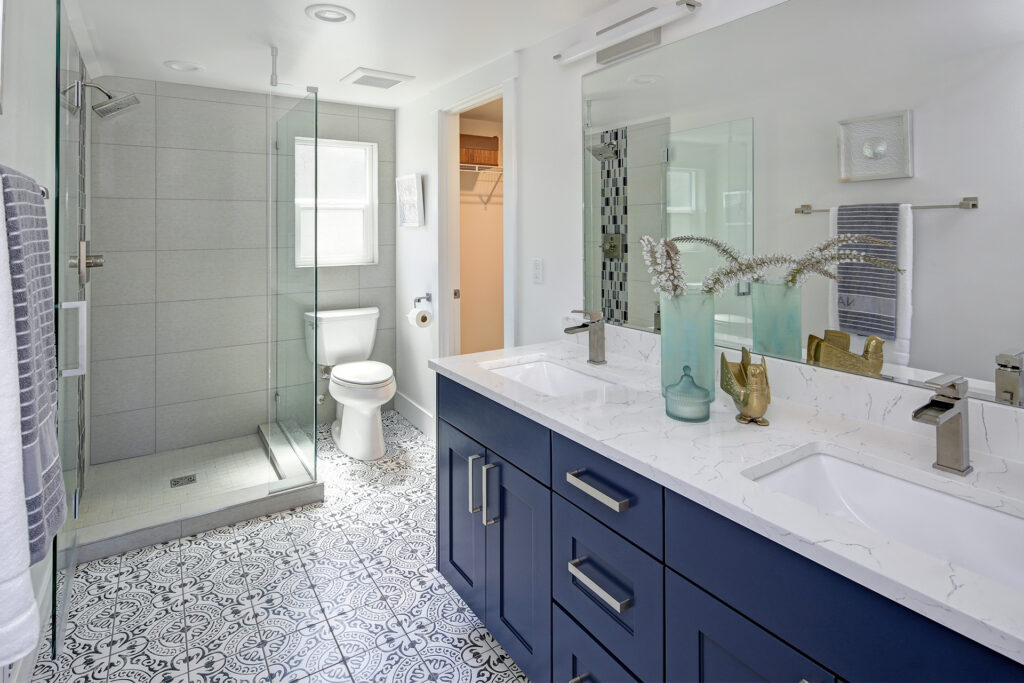
2. Ceramic Tile and Stone
Particularly popular for kitchens and bathrooms, using ceramic tiles or stone with underfloor heating can be a great option to combat that chilly underfoot feeling.
Benefits
- Stylish and easy to clean, especially in open-plan living areas or when used to create a larger feel to a room.
- A high-end finish with endless options for colours and patterns.
- Very durable and long-lasting in general.
Think About…
- Different types of tiles will perform differently. Stone and ceramic, as the most thermally conductive, tend to be most efficient, whereas marble flooring usually has a slower heat-up time.
- They can be used on any floor level, but it is vital to have an even sub-floor to begin with – which may require a professional touch. You may want to use a decoupling membrane before fitting the tiles to prevent them from cracking.
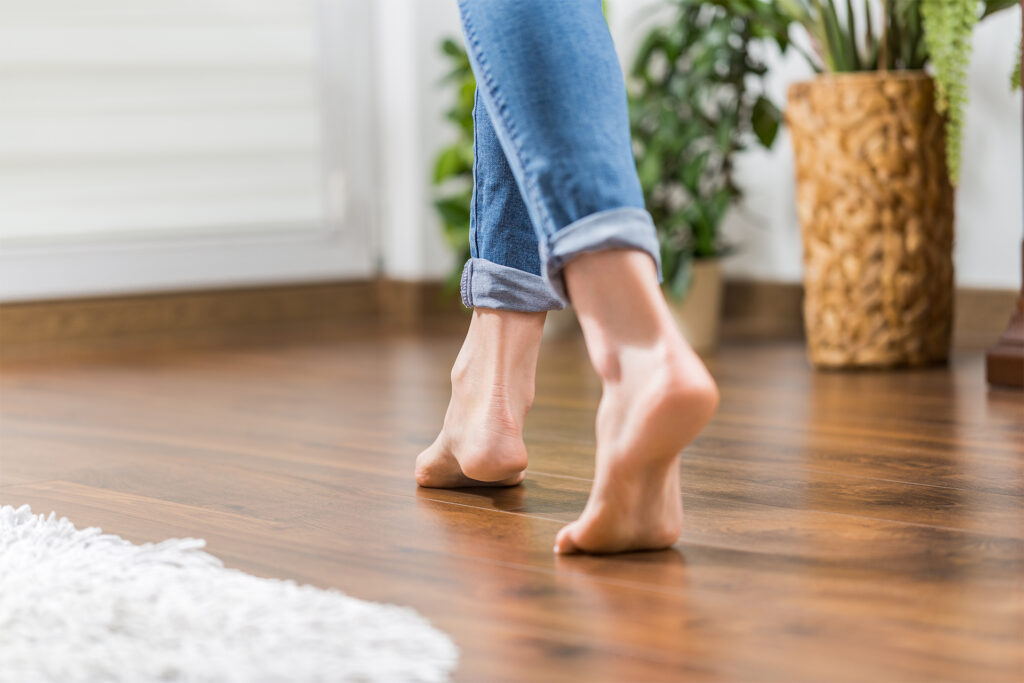
3. Solid and Engineered Wood
Offering a timeless look that pairs effortlessly with modern features, wood floor coverings can be an excellent choice that combines a warmth underfoot with an aesthetic, homely warmth.
Benefits
- Good structural stability, especially engineered wood.
- As a solid wood alternative engineered wood is more cost-effective on multiple fronts, from initial material cost to heat retention and maintenance requirements.
- Suitable for all floor levels, with a huge range of patterns and finishes to choose from.
Think About…
- Hardwoods and softwoods can be used in some cases, but they require certain board widths and thicknesses to be effective. Engineered wood tends to perform better than solid wood for underfloor heating purposes.
- Because wood can be sensitive to changes in temperature and moisture, it is important to allow the timber to acclimatise to the property first, otherwise you risk it expanding or contracting after installation. Considering kiln dried timber may be an option to minimise moisture, which can also cause floorboards to warp over time.
4. Laminate
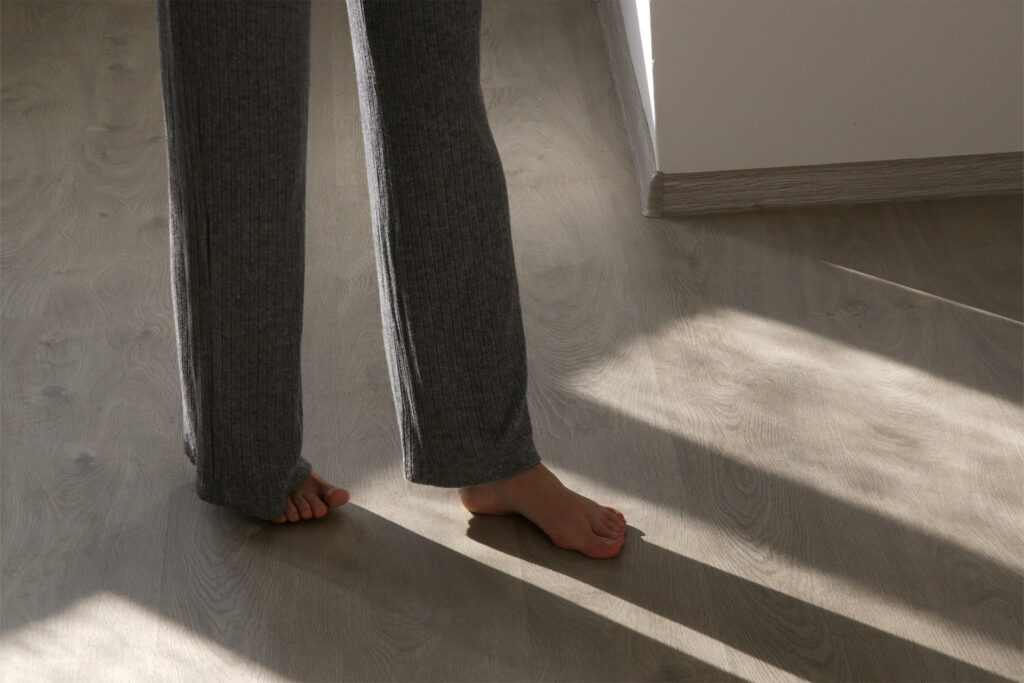
Cost-effective and easy to install, laminate is an affordable option for underfloor heating that can mimic wood or stone finishes.
Benefits
- Easy to clean and maintain, which makes it a great choice for high traffic areas and families with young children or pets.
- Not as prone to warping as other options such as wood.
- The top protective layer makes it more resistant to wear and tear.
Think About…
- Higher temperatures may damage certain types of laminate. Always check the manufacturer’s guide for advice on the maximum underfloor heating temperatures.
- Thickness should be less than 18mm, otherwise heat transfer may be negatively affected.
5. Polished Resin and Screed
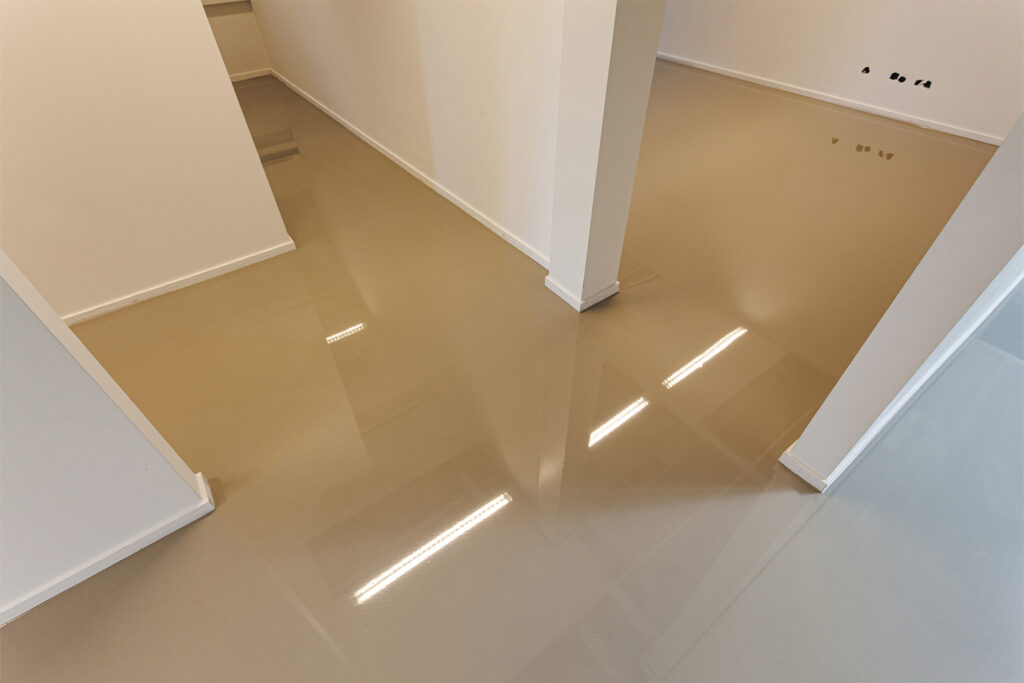
Rising in popularity, polished resin or screed floors complement modern and contemporary properties well with a seamless finish.
Benefits
- Extremely durable and hard-wearing.
- Efficient for even heat transfer and acts as a thermal stone by holding and slowly releasing heat over time.
Think About…
- Screed must be structurally sound and fully cured, which can take up to 28 days.

6. Carpet and Rugs
Perhaps the best option for comfort and adaptability, carpet looks great in almost any home. Most types of carpet tend to work well with underfloor heating, but the TOG rating should be less than 2.5 for maximum efficiency.
Benefits
- Practically unlimited colour and design options to suit any space.
- Unbeatable comfort underfoot.
- Potential health benefits when used with underfloor heating, since unlike radiators, it doesn’t cause air to circulate. So, individuals with asthma, allergies, or similar conditions can rest assured that less dust absorbed by their carpet enters the air.
Think About…
- Carpets with different backings will perform differently. For example, it is generally recommended to use carpets with hessian backings as the heat can travel through the carpet more effectively than those with rubber backings.
- Different underlays and insulations work best for different rooms, and there is no one-size-fits-all. However, polyurethane and felt underlays should be avoided as they can negatively affect heat transfer.
- While higher-end carpets can be more expensive to purchase and install, there are plenty of options at various price points. Do be careful to select a reputable brand that can promise a good longevity.
Final Thoughts: The Best Flooring for Underfloor Heating
Ultimately, the best flooring for underfloor heating is the one that most suits your needs and price-point. If you’re looking for the most heat efficient floor covering, stone or polished resin could be the one for you. But, if you’re looking for the most affordable option, vinyl or laminate is probably the better choice. For comfort and warmth, a traditional carpet, or warm-hued engineered wood might be calling your name.
Think about what you want from your flooring, and balance this with your budget. This will ensure that you choose the best floor covering for your underfloor heating, without overspending.
Now you’re well-versed in flooring for underfloor heating, why not check out our other guides to learn something new? Or, if you’re looking for a friendly and qualified floor fitter in the York area, get in touch with us. We’ll get the job done right!