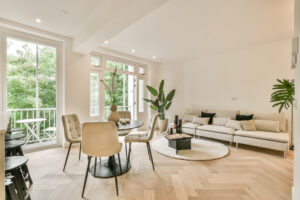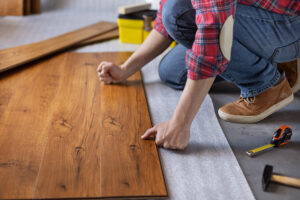
Solid wood flooring is experiencing something of a boom right now due to its timeless look and organic feel. However, there are multiple reasons why you might not want to go the whole hog; especially when there is an abundance of wood floor alternatives that look just as stunning for a more affordable price.
Read on for our top 6 choices of wood-look alternatives, including a breakdown of their pros and cons. But first, let’s dip into the benefits of opting for an alternative to wooden flooring over the real thing.
Why you might want to opt for an alternative to solid wooden flooring
If you’re fitting or refitting a new flooring for your home, numerous factors will likely influence your decision: price, aesthetics, and the type of room you are installing it. Other influences may include its durability, water resistance and lifespan. For example, if you want the natural aesthetic of hardwood in your bathroom but want to exploit the qualities of a material that is considered to be more moisture-stable, you might select an alternative such as wood-look ceramic tiles.
Types of wood and wood floor alternatives
| Flooring type | Description | Pros | Cons |
| Solid wood | Solid planks of hardwood or softwood, either finished or unfinished | A timeless look that endures and develops with age. Long lifespan that can be extended with refinishing or re-stained for a new look. Increases property value. | Professional installation is required for a good job. Sensitive to moisture and vulnerable to scratching. More expensive option. |
| Engineered wood | Planks made from layered veneer wood and plywood. | Cheaper than solid wood and easily installed DIY and as a floating floor. 30-year lifespan. Enhances property value. | Shorter lifespan than solid wood and can’t be refinished to the same extent. Vulnerable to moisture, but not so much as solid wood. |
| Vinyl | Standard PVC planks. | Scratch resistant, but less so than LVT. Self-adhesive, therefore easily installed. Cheaper than LVT and real wood. Lifespan of 10-15 years. | May experience scratching over time. Less durable than other options. The finish is less refined than LVT among other real wood alternatives. |
| Luxury vinyl tile (LVT) | Higher quality PVC planks with a greater thickness. | 100% water resistant. Lifespan up to 25 years. Flexibility & depth lends to greater durability. Compatible with underfloor heating. Great choice of design and pattern. | More expensive than standard vinyl or laminate. Less natural feel than laminate or real wood. Less realistic wood appearance than laminate. |
| Laminate | High-density fibre boards. | Natural feel and range of finishes, but not as many complex patterns as LVT. 15-year lifespan. Compatible with underfloor heating. | Poorly installed or lower-quality laminate is vulnerable to moisture damage. Not as a realistic mimicry of wood as LVT or as durable as other options. |
| Tiling | Tiles usually made of ceramic or porcelain. | Waterproof & scratch resistant. Easily installed compared to solid wood flooring & cheaper depending on type. Compatible with underfloor heating. 20-50 year lifespan. | Hard and cold to the touch. May not look as convincing as other wooden flooring alternatives. |
| Carpet | Textile floor covering made from natural or synthetic fibres. | Wide variation in carpet prices. Simple installation. Lifespan of 5-15 years. Soft underfoot, insulating & reduces noise. | Vulnerable to stains and water damage. Unsuited to rooms such as kitchens & bathrooms. Less durable than wood, laminate or LVT. |
A deep dive into our top 7 picks of wood floor alternatives
1. Vinyl
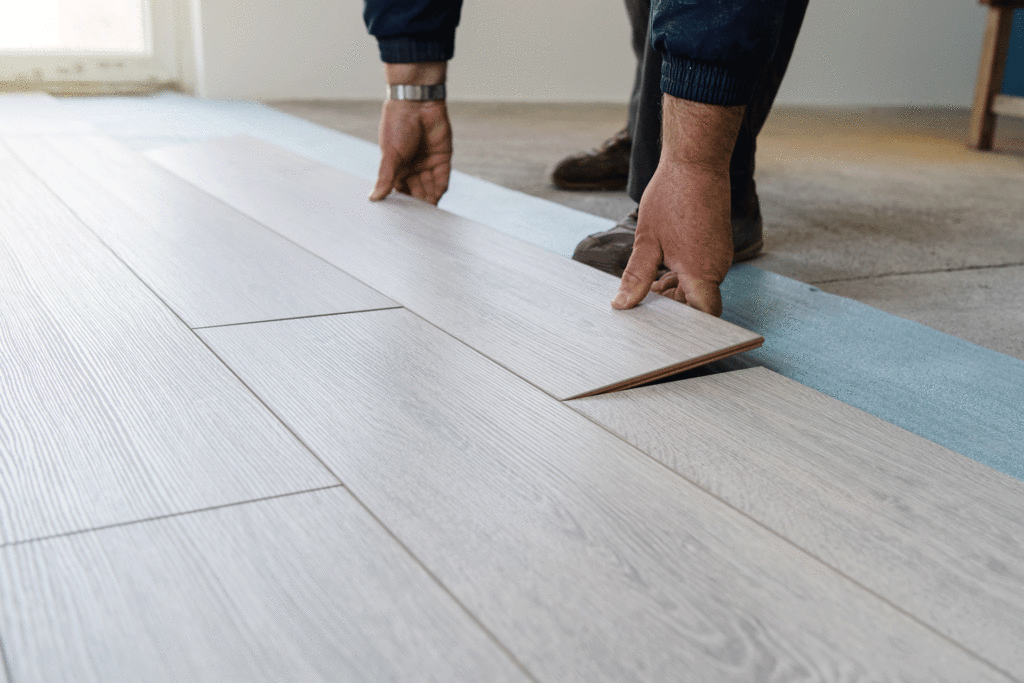
Our first choice of wooden flooring alternatives is vinyl. Standard vinyl floors are scratch resistant and easy to maintain. While not as scrubbable as LVT, it is easily cleaned as it is both durable and moisture-proof. As this type of vinyl is lower budget you can expect patterns to be more simplistic and the boards to be thinner.

2. Luxury vinyl tile (LVT)
Luxury vinyl tile boasts a wide range of appearances and patterns from herringbone to a subtle graining effect. Paying a little more than standard vinyl, you will get yourself thicker boards with deeper embossing for an enhanced look and additional durability. Unlike laminate or carpet, LVT flooring is water resistant and therefore a great choice for areas of the home such as kitchens and bathrooms. The cost of LVT is also reasonable when you weigh up the pros and cons.

3. Laminate
Laminate, when compared to LVT, is a lot cheaper and showcases a more natural feel and convincing imitation of wood. However, it can become slippery when wet, not to mention its vulnerability to moisture. For this reason, it is less durable than LVT, wood and tiling and might not be the best choice for pet owners or in rooms with higher footfall.

4. Wood-look tiling
Tiling can create an interesting simulation of natural wood, although it is easier to spot than other options as it is less accurate. Ideal for bathrooms, kitchens, utility rooms or any other areas that are susceptible to moisture, they are very durable, 100% waterproof and can be cheaper than LVT (depending on brand). Among its downsides are its cold, hard feel underfoot – but this can be mitigated with underfloor heating.

5. Carpet
If you want to ditch the wood aesthetic entirely carpet is the way to go. Providing a soft and comforting vibe to any room, carpets are ideal for bedrooms and sitting rooms as they cushion your feet whilst adding an extra layer of insulation. What’s more, carpet and carpet underlay is easy to fit and can be installed by any competent DIYer. The only drawback is that this alternative to real wood flooring is that it isn’t as hardwearing or suited to rooms prone to moisture.

6. Enhance existing floors
Now, if you already have solid wood floorboards installed and they’re a little worse for wear, good news, there are ways to repair and restore them without spending an arm and a leg. Of course, the cost will depend on the extent of the damage.
If it’s a matter of removing a tiny water stain or the odd scratch, DIY solutions can do the trick for those with a steady hand. For flooring that has been subject to extensive water damage or scratching, we’d always recommend talking to an experienced contractor to refinish it for you. This was you can ensure that the floorboards are returned to their former glory.
The verdict
If a budget-friendly price tag, natural aesthetic and durability are what is most important, then LVT might be your top choice. But laminate is a viable option if a natural feel underfoot is a concern or when you want to have a go at installing it yourself.
Whichever solid wood floor alternatives catch your eye, with our handy guide you can weigh up the pros and cons and make an informed decision. Hopefully, you will admire your new flooring for years to come, touch wood – or not!