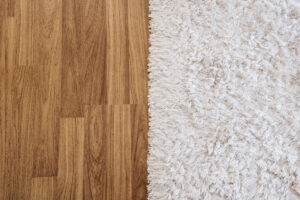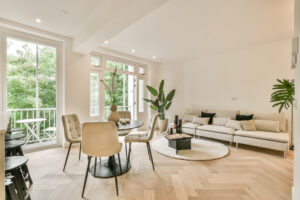
In the realm of interior design, it seems like engineered wood floors have officially overtaken carpets as the trendy flooring choice. Sales are booming and mood boards feature this timeless flooring choice all the more often. If you’re considering jumping on the bandwagon and going down this route, then you need to understand the cost of engineered hardwood flooring and where you’ll encounter any hidden price tags.
Lucky for you, in this comprehensive guide, we delve into the intricacies of engineered wooden flooring expenses, offering insights into not only the average costs but also the nuances of the types available and the specific considerations tied to installation. We’ll cover:
- Why engineered wood?
- How much does an engineered hardwood floor cost on average?
- The cost of engineered hardwood vs solid hardwood flooring
- The cost of engineered hardwood flooring against other alternatives
- What about the cost to install engineered hardwood?
- Other factors to include in your engineered hardwood flooring budget
- Final thoughts
Why engineered wood?
The allure of wooden flooring has transcended mere trendiness; it has become a timeless symbol of prestige and aesthetic refinement.
The evolving demands of homeowners, coupled with an expansive array of brands and style options, have rendered the once-opulent wooden flooring increasingly accessible in recent times. Engineered hardwood offers a more affordable yet equally beautiful alternative to solid wood that can suit any room in the house, from home offices to bathrooms.
Beyond its inherent beauty, engineered wood flooring brings with it many practical advantages – easier installation and maintenance, and remarkable durability – that stand the test of time when diligently cared for. Plus, many options are designed to resist temperature fluctuations and humidity, making them ideal for homes with underfloor heating or just a variable climate.
As you embark on the journey to elevate your living space with the rich warmth of wooden flooring, navigating the landscape of costs is a must. So let’s explore what you can expect when budgeting for this stylish and functional flooring choice.
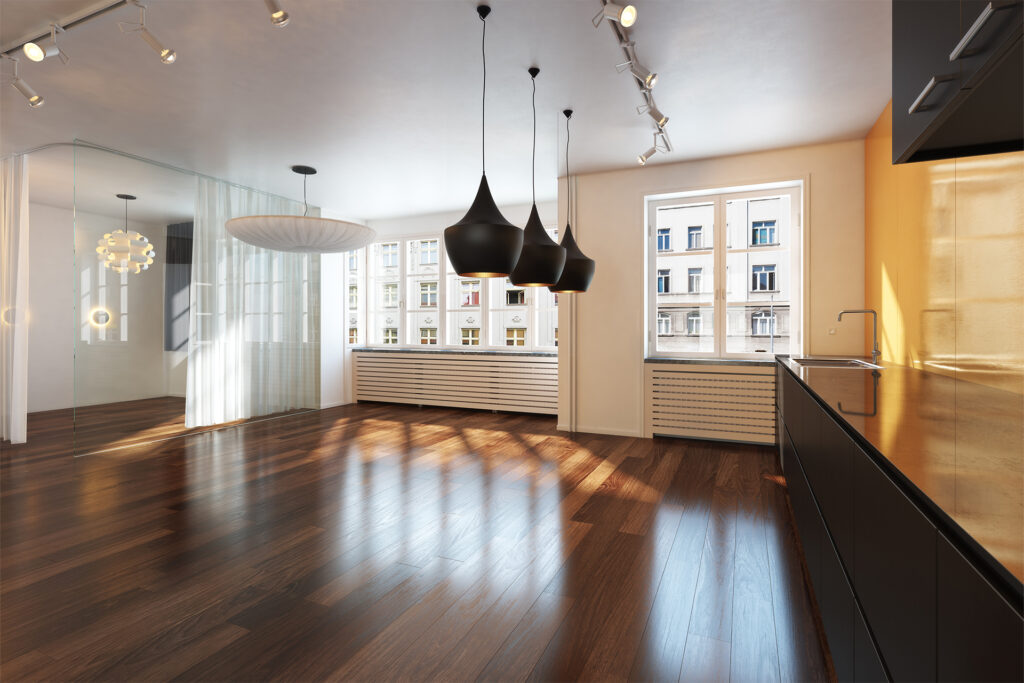
How much does an engineered hardwood floor cost on average?
When considering engineered hardwood flooring, its average cost stands out as an attractive feature, often presenting a more economical alternative to solid wood.
Valued for its versatility and robust qualities, engineered wood flooring is crafted from multiple layers of wood veneers, distinguishing it from its solid wood counterpart.
With an average cost of around £35 per square meter for the material purchase and an additional £22.50 per square meter for installation, it strikes a balance between affordability and quality.
The cost of engineered hardwood vs solid hardwood flooring
When there are so many tempting wood flooring options at different price points, navigating the market can become a bit of a headache, especially when similar choices claim to be the best option. Take engineered wood and solid hardwood floors – they provide a similar look but vary in price. Here’s why.
Manufacturing implications
As we mentioned, engineered wood is generally more affordable than solid hardwood floors. This is partially because the manufacturing process involves cheaper cuts of wood – engineered wood is made from multiple layers of high-quality plywood with a layer of hardwood bonded on top. In contrast, solid hardwood is made of the same species of timber throughout, making it more expensive.
To put it simply, expect to shell out anything between £50 to £120 per square metre for solid wood flooring, compared to £25 to £70 per square metre for an engineered wood alternative.
Installation implications
There are also differences in installation that make engineered wood typically less expensive to install than solid hardwood flooring. In general, it requires less labour and preparation.
Solid wood flooring, characterised by a tongue and groove profile meticulously milled at a machining facility, allows the boards to seamlessly interlock. Subsequently, these interlocked boards are secured in place by being securely nailed down to the subfloor.
Engineered wood flooring offers a distinct flexibility in its installation process. Engineered flooring can be either nailed, glued down or installed as a floating floor, providing homeowners with adaptable options to suit their preferences and specific project requirements.
Lifespan implications
Another key thing to remember is the lifespan of the product, as this will have a bearing on any future maintenance or repairs later down the line.
Engineered wood distinguishes itself as a strong contender due to its remarkable resistance to common forms of wear and tear, including scratches and dents. This resilience not only enhances its aesthetic longevity but also contributes to the practicality and longevity of the investment, which can last up to 30 years.
Solid wood flooring, however, provides the maximum level of endurance, lasting between 30 and 100 years – so effectively, a lifetime. It can also be updated and refreshed fairly easily with a touch of refinishing or staining. Therefore, it might be a more cost-effective option in the long run.
The cost of engineered hardwood flooring against other alternatives
So, we’ve covered how the cost of engineered hardwood stacks up against its closest rival, solid hardwood, but how does it compare against the myriad of other flooring options? Simply put, when it comes to cost, engineered wood tends to sit in the mid-to-high range of the flooring market. Here’s a quick general comparison with other common alternatives to help put things into perspective:
- Laminate Flooring is usually the most budget-friendly option. However, it often lacks the same durability and authentic wood appearance.
- Carpet tends to be cheaper per square metre but wears out faster and doesn’t quite offer the same resale value or aesthetic.
- Luxury Vinyl Tile (LVT) offers a higher quality wood-look alternative that’s water-resistant and typically more affordable. Whilst it’s easier to install and maintain, it doesn’t have the same long-term appeal or resale value as engineered wood.
- Tile Flooring is relatively comparable in price to engineered hardwood, depending on the specific chosen material. It is a more popular choice for wet areas like bathroom flooring, but it lacks the warmth and comfort underfoot that engineered hardwood offers.
What about the cost to install engineered hardwood?
As we’ve established, the type or style of engineered hardwood flooring can impact your overall budget significantly. But material considerations aside, there’s another big question: how much does it cost to install engineered hardwood?
Well, that would depend on the type of fitting you opt for: a DIY job or a professional installation.
DIY fitting
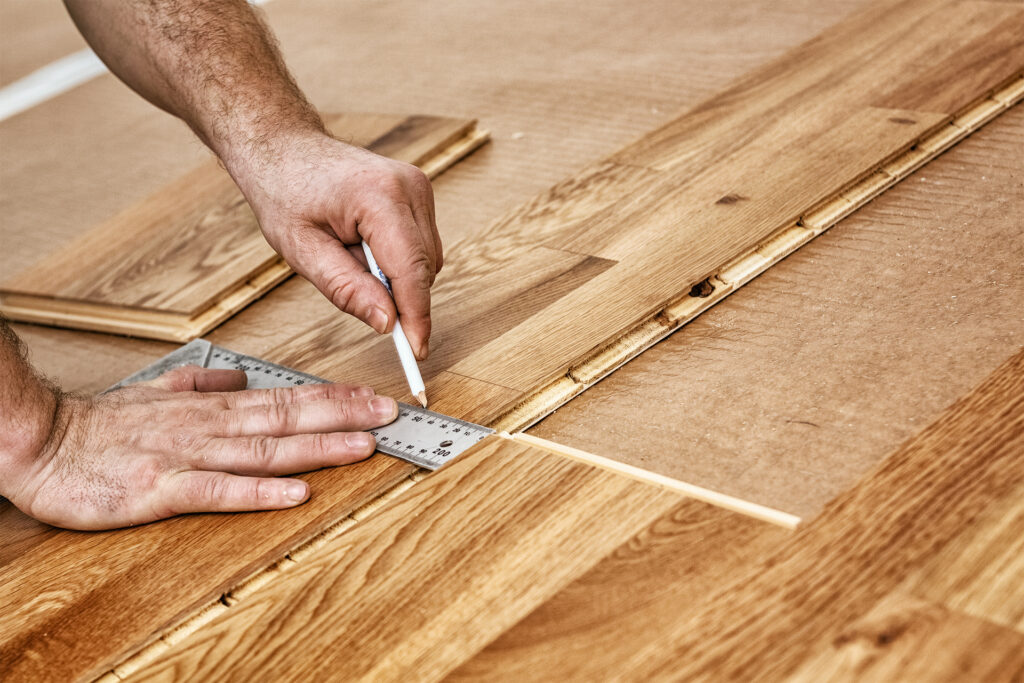
As the installation process can involve meticulous tasks such as laying, cutting, and glueing the engineered wood floor panels, the job demands precision in technical aspects and measurements, plus a steady hand! If you think you’re up for the task, this can cut a serious amount of money off your overall budget.
A word of advice: if you don’t feel confident trying it, we advise leaving it to the experts, as miscalculations can lead to uneven surfaces and irregular patterns, which in turn can lead to a much higher engineered wood flooring cost. And no one wants that!
Professional installation
The installation of an engineered wood floor typically incurs an average cost ranging from £1,000 to £1,500. This expense is contingent on various factors, including the type, size, and style of the chosen flooring. The installation cost encompasses the skilled labour required to lay and secure the engineered wood panels, ensuring a precise and visually appealing result.
To find the best deals, it’s worth shopping around and looking towards any local flooring specialists – they will give you a good idea of the pricing landscape and you may be able to clinch a deal if you book in multiple jobs at once.
Other factors to include in your engineered hardwood flooring budget
Before we wrap up, it’s worth considering a few additional factors that may influence the overall cost of your engineered hardwood flooring. For instance, if you’re opting for a DIY installation, there might be a few extra expenses that need to be accounted for.
Floor size and layout
The larger the floor you’re replacing, the more expensive the job. This one is fairly obvious, but you’d be surprised at how many people leave this consideration to the last minute.
To work out the cost of your engineered hardwood floor, you’ll need to get an accurate measurement of the area you plan to cover in square meters. Then you can calculate the material costs based on the type of engineered wood you pick out.
Quality
The quality of your flooring will likely be the deciding factor. Engineered wood flooring costs can be broadly categorised into three pricing tiers, each offering distinct qualities and aesthetic options:
Low-Range (£25-£35/m²)
In this affordable tier, you can explore the budget-friendly 3-ply engineered flooring, providing a cost-effective alternative to the more luxurious types. This tier caters to those seeking a practical and budget-conscious choice without compromising on the appeal of wood flooring.
Mid-Range (£35-£45/m²)
Positioned in the middle range are the 5-ply engineered floors, combining durability with a diverse array of design options. These are a balanced choice for those seeking a blend of quality, style, and mid-range pricing.
High-Range (£45-£90/m²)
Towards the higher end, the 9-ply engineered floors present a premium option known for enhanced stability and resilience, appealing to those with a penchant for distinctive and luxurious flooring choices at the top end of the pricing spectrum.
Underlay
Another important extra not to forget is your choice of underlayment. Underlay is particularly common for flooring types laid as floating floors, a characteristic often associated with engineered wood flooring, as opposed to solid floors that are directly fixed to the subfloor.
Entry-level underlay options are available at a minimal cost, starting as low as £1/m² while higher-end underlay options in the range of £5 to £9/m². Of course, your choice will depend on your budget constraints and requirements, such as soundproofing or underfloor heating, but we recommend opting for a high quality one to ensure your flooring lasts as long as possible.
Room preparation
Effective floor preparation is a vital aspect of any flooring project, influencing both the aesthetic and functional outcomes. If you neglect to clear the room of furniture or belongings before the installation, your engineered hardwood flooring project may incur additional charges to cover the extra labour of moving these items.
To avoid unexpected costs, clarify with your installer whether furniture removal is included in the overall price and, if not, factor this into your budget. Not to mention, this is the most polite way to go!
Pattern
Patterned finishes like chevron or herringbone can significantly influence the cost of engineered hardwood flooring. These designs require more precision during installation, often resulting in higher labour costs and additional material waste due to the angled cuts required. Whilst the final look is visually striking and can elevate the feel of a room, keep in mind that you’re likely to need a bigger budget to get to that point.

Fees for delivery
In the comprehensive planning of your engineered wood flooring project, it’s essential to account for potential delivery charges, a factor that can influence the overall cost and convenience of your flooring investment.
Unsurprisingly, this will vary by location and retailer. Generally speaking, you can expect to be charged £30+ in more built-up cities like London, and a bit less if you live outside the capital.
Additional materials or tools
If you plan to go down the DIY route, you might need to think about additional materials and DIY tools. We’ve already touched on underlay, but other essentials might include kit like a flooring nailer, adhesive trowel, or even specific tools for floating floor systems, like spacers, tapping blocks, and a pull bar. Plus, don’t forget nails or staples and safety gear too!
All of these items can quickly add up if you’re starting from scratch, so it’s worth factoring them into the estimated cost of your engineered hardwood flooring. Whilst DIY can save on labour costs, these upfront investments in tools and materials are important to consider when weighing your options.
Hidden costs
Finally, you should always leave a pot of money for any potential issues with the subfloor that might occur during the preparation stages. If you find dampness or weevils in the wooden beams, repairs could be costly, so make sure to stay cautious – especially if you’re working with an older property.
Final Thoughts
There we go: an in-depth exploration of all the various factors to consider when picking out and budgeting for your new engineered wood floor.
When lined up next to other flooring options such as laminate or LVT, engineered wood stands tall, offering a cost-effective and resilient choice for those seeking the timeless appeal of wood without compromising on durability. So whether you plan to save a few pennies with a DIY installation or rely on the specialists, it never hurts to do your research.
Finally, some parting words: if the cost of your preferred engineered wood flooring is currently outside your budget, consult your local fitter to explore the possibility of obtaining a similar option at a more affordable price.