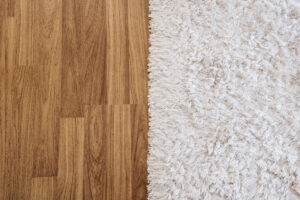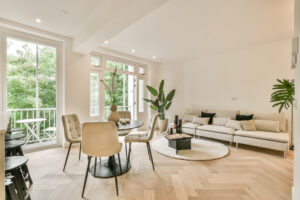
The living room serves as the heart of every home; it’s where families gather and memories are made. Thus, it goes a long way to curate the perfect ambience, and flooring plays a pivotal role in achieving this. In this guide, we’ll explore the best flooring for living areas, delving into their qualities, pros, and cons to help you make an informed decision.
Considerations for choosing the best living room flooring
Before delving into specific flooring types, it’s imperative to consider several factors. For living rooms in particular, it’s essential to get this right as Brits typically spend 3-4 hours per day on the sofa – that’s a lot of time relaxing in the living room!
Durability and slip-resistance
When selecting the best flooring for your living area, durability and slip resistance should be at the top of your list. Opting for flooring materials that provide traction helps reduce the risk of slips and falls, especially important for households with disabled members or elderly relatives. Look for robust options that can withstand daily wear and tear, ensuring longevity and minimizing the need for frequent replacements or repairs.
Cost-effectiveness
Another crucial consideration is cost-effectiveness. While initial investment is important, it’s equally vital to factor in long-term expenses. Choosing a flooring material that offers both durability and affordability can save you money in the long run. Assess the overall lifecycle costs, including installation, maintenance, and potential repairs, to make a well-informed decision that aligns with your budget.
Maintenance requirements
Ease of maintenance is key to keeping your living room looking its best with minimal effort. Opt for flooring materials that require minimal upkeep, saving you time and hassle in the long term. Consider options that offer easy installation like engineered wood, reducing expenses if you choose to hire a professional flooring fitter. This ensures a hassle-free experience and keeps your living space pristine with minimal effort.
Warmth and comfort
Your living room should be an area that promotes strong well-being, and your choice of flooring can greatly impact its warmth and comfort. Select flooring materials that help regulate temperature, providing comfort in both hot and cold weather conditions. Whether you pair it with effective under-carpet insulation or underfloor heating, prioritise options that promote overall well-being and relaxation for you and your family.
Pet-friendliness
If you have furry friends at home, pet-friendliness becomes a crucial factor in choosing the right flooring. Look for options that are resistant to stains and easy to clean, ensuring hassle-free cleanup of pet accidents and muddy paw prints. You might also want to consider flooring materials that minimise noise, providing a quieter and more peaceful living environment for both you and your neighbours as your pet’s paws clatter over the floor.
7 of the best living room flooring types
With the main considerations out of the way, we can finally delve into the best flooring options for your living area. Here are 7 of the most popular choices that are bound to impress.
1. Engineered wood
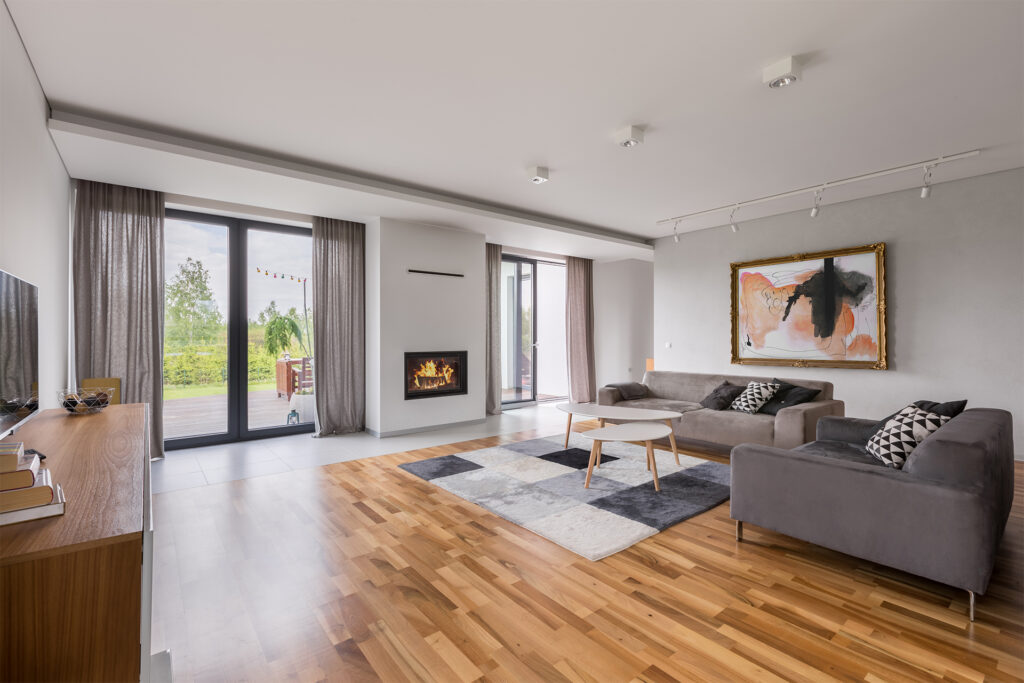
Engineered wood flooring offers the timeless beauty of hardwood with added stability, making it an excellent choice for upscale living areas. Its durability and ability to be sanded and refinished if needed add a touch of enduring elegance to your home. While it may be more expensive than some alternatives, the investment in long-term aesthetics is often worth it.
Pros: It’s cheaper than solid wood, easily installed as a floating floor and boasts a 30-year lifespan that enhances property value.
Cons: Although engineered wood has a shorter lifespan than solid wood and cannot be refinished to the same extent, it’s less vulnerable to moisture.
2. Solid wood
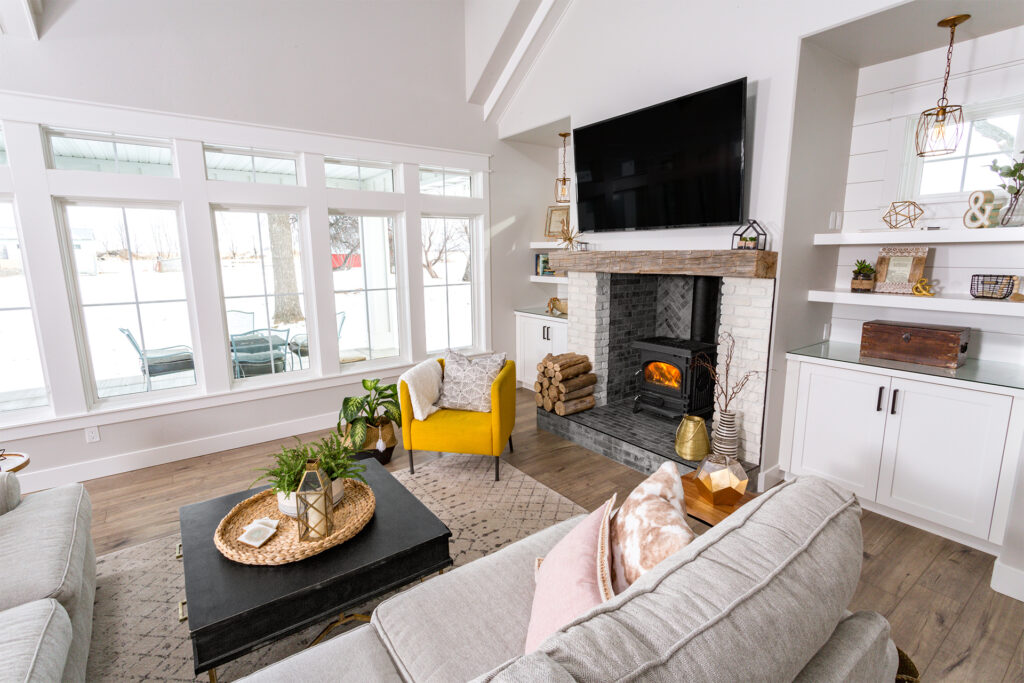
Real wood flooring adds a touch of natural beauty and warmth to any living room. With options such as herringbone and parquet designs, you can create stunning visual effects that elevate the ambience of your home. While solid wood may require more maintenance compared to other options, its timeless appeal and ability to be refinished make it a worthwhile investment for those seeking luxury and elegance.
Pros: A hardwood floor is a long-lasting investment that can increase the value of your property over time. It ages beautifully, and refinishing or re-staining can give it a fresh look.
Cons: Professional installation is necessary and it’s also more expensive.
3. LVT (Luxury Vinyl Tile)
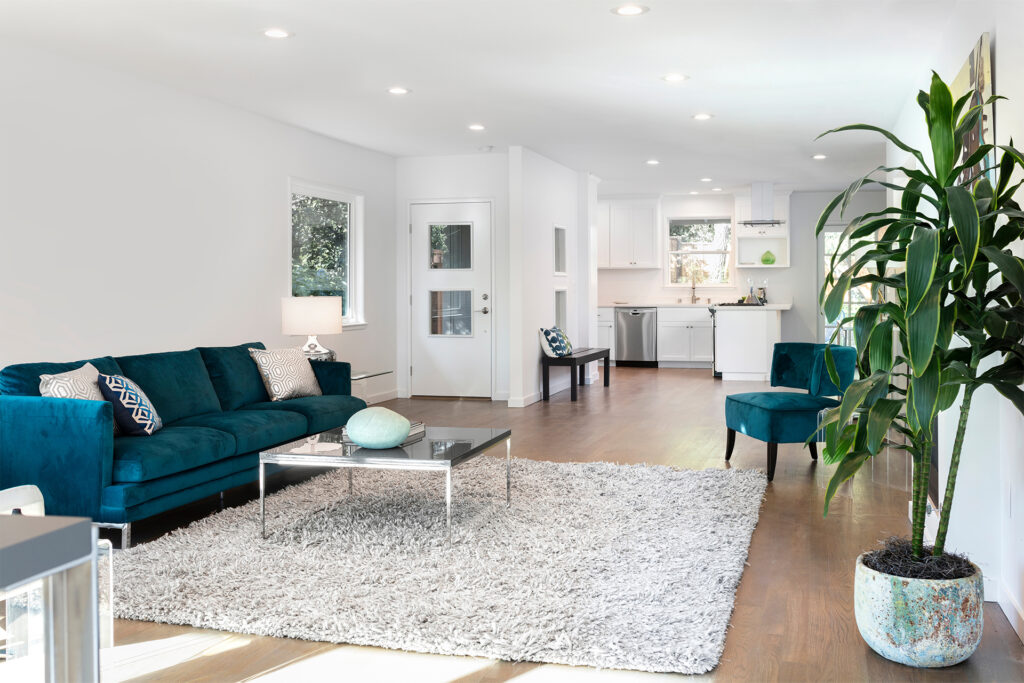
Ideal for high-traffic areas like living rooms, LVT combines the look of natural materials such as wood with exceptional durability and water resistance. It’s easy to maintain and can be installed in various patterns, providing both style and practicality. However, it may not offer the same resale value as real hardwood or stone.
Pros: With a lifespan of up to 25 years, this 100% water-resistant flooring is highly durable and flexible. It’s also compatible with underfloor heating.
Cons: Although more expensive than standard vinyl or laminate, it has a less realistic grained appearance than laminate or real wood.
4. Laminate
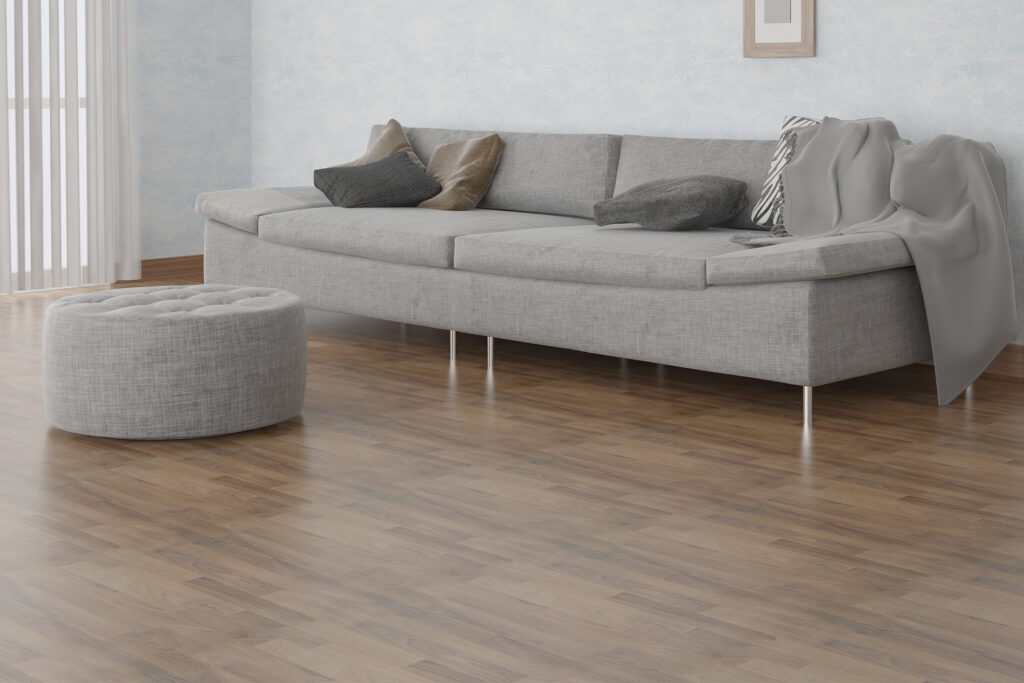
For those seeking the appearance of hardwood at a more budget-friendly price, laminate flooring is an excellent option. It’s easy to clean, durable, and resistant to stains and scratches, making it suitable for moderate foot traffic areas. However, it may lack the warmth and acoustic qualities of real wood and may not be ideal for very formal or high-end living spaces.
Pros: It offers a natural look and comes in a variety of finishes, although it may not have as many intricate patterns as LVT. It has a lifespan of 15 years and is compatible with underfloor heating.
Cons: Poorly installed or lower-quality laminates are susceptible to moisture damage, unlike LVT, and are less durable than other options.
5. Standard vinyl
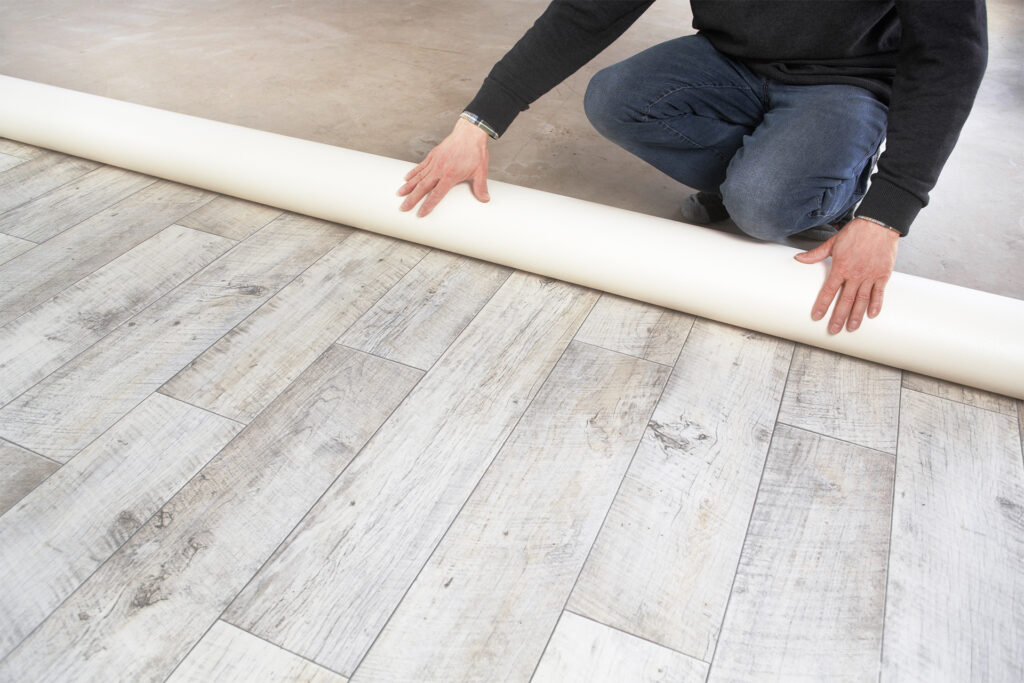
Standard vinyl flooring is a versatile and cost-effective option for living rooms. It offers durability, easy maintenance, and a wide range of styles and colours to choose from. While it may not have the same luxury feel as other options, it provides practicality and value for money.
Pros: Scratch-resistant, self-adhesive flooring with a 10-15 year lifespan. When compared to LVT and engineered wood, it tends to be much cheaper.
Cons: Over time, the surface may develop scratches and the finish may be less refined than other real wood alternatives, although it is still a fairly durable option.
6. Tiling
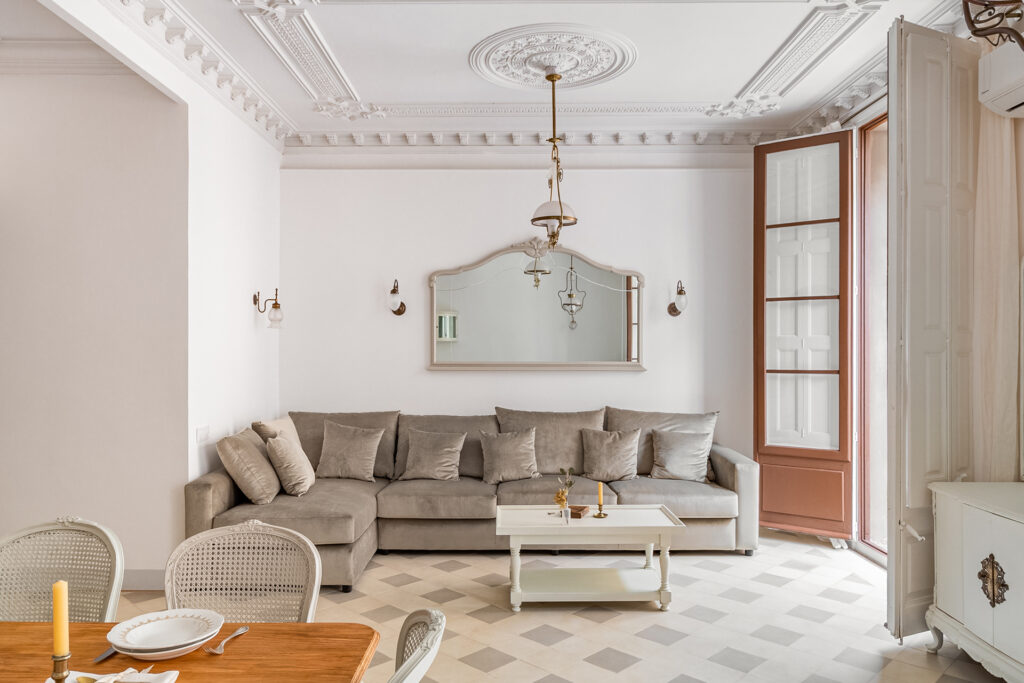
Tile flooring is another popular choice for living rooms, offering durability, easy maintenance, as well as a wide range of design options. From ceramic to porcelain to natural stone, tiles come in various styles, colours, and patterns to suit any aesthetic preference. While it may feel cold underfoot, especially in colder climates, underfloor heating can be installed to provide warmth and comfort.
Pros: Compared to solid wood flooring, waterproof and scratch-resistant flooring is cheaper and easier to install. It also has a 20-50 year lifespan and is compatible with underfloor heating.
Cons: It’s hard and cold to the touch, and might experience scratching over time. LVT, vinyl and laminate are all easier to install and often less expensive.
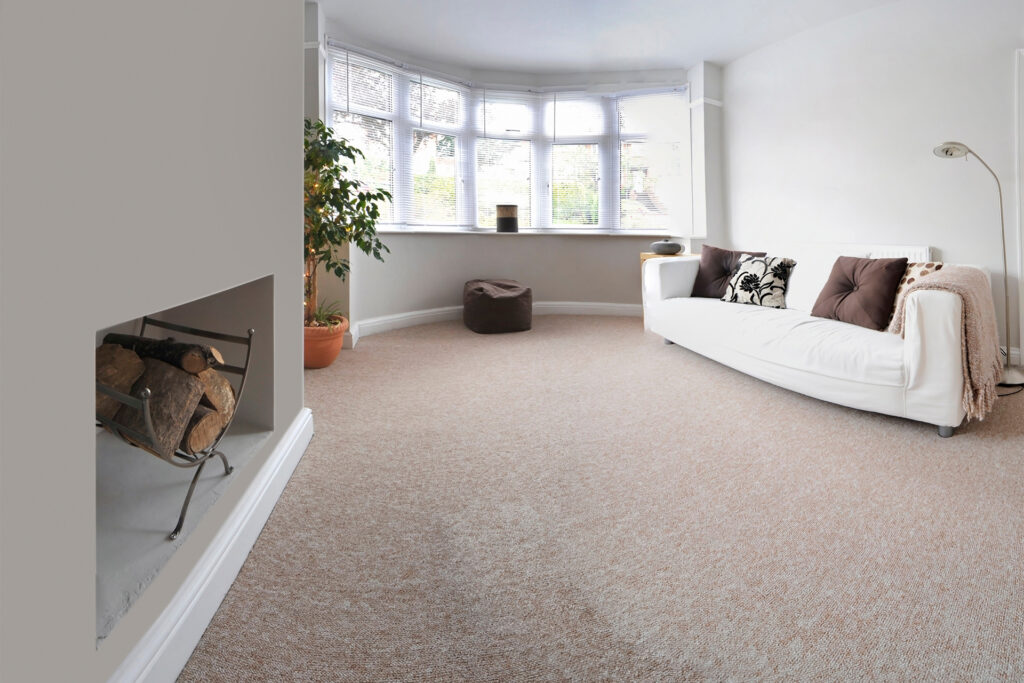
7. Carpet
While carpet offers unmatched comfort and noise-reduction properties, it may not be the best choice for high-traffic living areas prone to spills. It comes in a variety of colours and styles, offering design flexibility, but it can be more challenging to clean and maintain compared to hard flooring options. Plus, carpets are more susceptible to staining and may not be as durable in the long run.
Pros: Carpet prices vary widely, but installation is simple. Its lifespan is 5-15 years with soft, insulating, and noise-reducing features.
Cons: Vulnerable to stains and water damage. Unsuited to rooms such as kitchens & bathrooms. It can be less durable than engineered wood or LVT.
Pick the perfect foundation for your living room
In crafting the perfect living room, selecting the right flooring lays the foundation for comfort, style, and functionality. By assessing your requirements and exploring the diverse flooring options available, you can curate a space that both reflects your style and meets the demands of your lifestyle.
Still feeling flooring curious? For more inspiration and advice, explore the rest of the Derwenthorpe Flooring blog.