
If you’re planning to update your floors, there’s a good chance you’ve come across underfloor heating along the way. It’s one of those projects that sounds like a bit of a luxury, until you realise just how many people are going for it. Case in point: 115 million square metres of the stuff was sold in Europe alone in 2024. That’s all well and good, but is underfloor heating worthwhile for your renovation project?
That’s what we’re here to look at. In this guide, we’ll cover how underfloor heating works, the ups and downs, and the types of flooring it pairs with best. By the end, you should feel more confident in your decision to choose underfloor heating (or not!).
This guide at a glance:
First Things First: How Does Underfloor Heating Work?
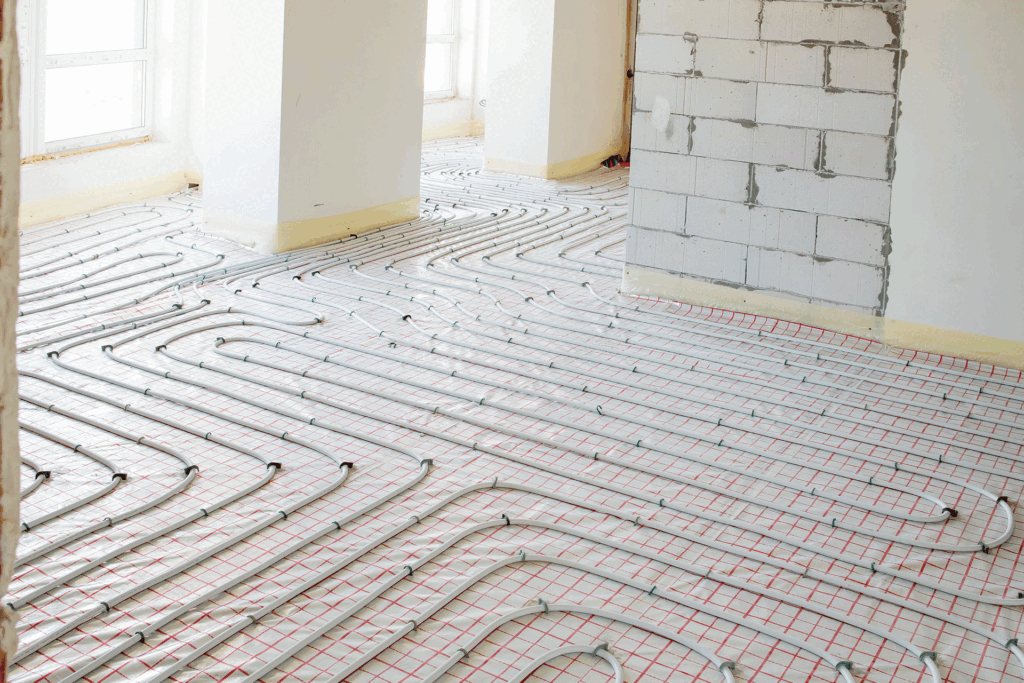
To make an informed decision on whether underfloor heating is worthwhile, it pays to know exactly what it is and how it works. In many ways, it does exactly what it says on the tin: it heats your home from the floor up. So, instead of relying on radiators, the heat comes from a network of pipes or electric mats hidden beneath your floor covering. Ultimately, it spreads warmth evenly across the room, making cold feet a thing of the past.
There are two main types of system:
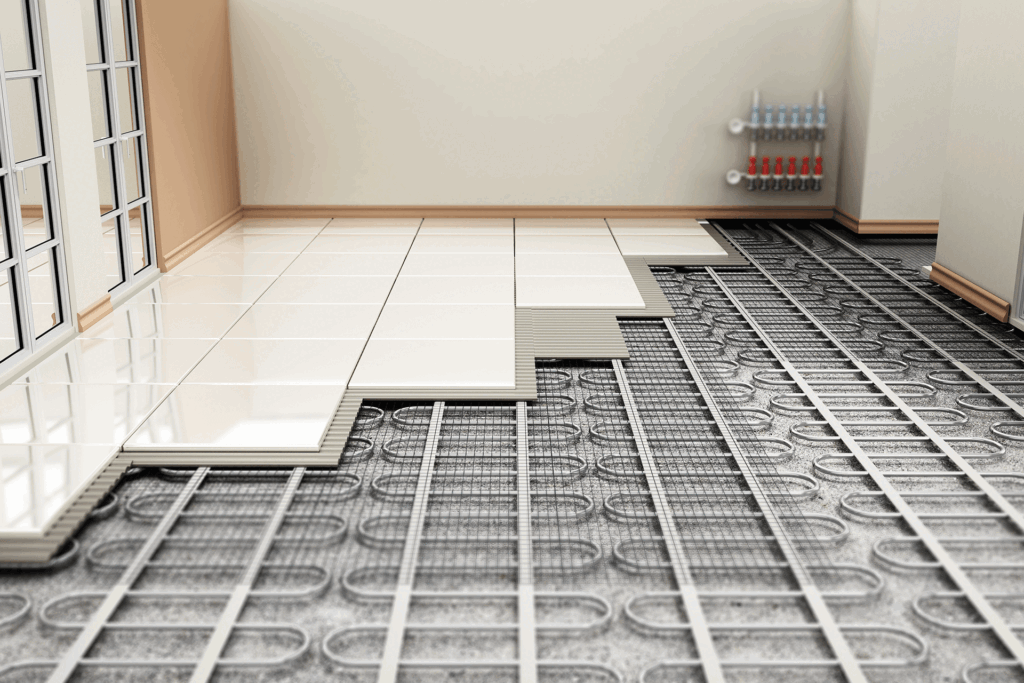
- Electric (or so-called “dry”) systems: These use electric heating cables or mats laid directly under your flooring. They tend to be quicker and cheaper to install, which makes them a popular choice for small, localised spaces like bathrooms or kitchens. They also work well as an “add-on” to your existing heating solutions.
- Water-based (or “wet”) systems: These involve a network of carefully installed pipes that circulate warm water from your boiler. They’re much trickier to install – especially in existing homes – but tend to be more energy efficient in the long run, particularly if you’re looking to heat large areas.
Understanding the system types is important, but there are also a few more things that can influence whether underfloor heating is truly worth it for your home…
- Installation really, really matters. Underfloor heating isn’t something to cut corners on. In addition to safety risks if poorly installed, the system sits beneath your flooring, so getting it wrong can mean lifting everything back up later – not something anyone wants to deal with.
- You’ll need insulation underneath. Without it, the heat could end up warming your subfloor more than your room, which isn’t exactly what you’d call energy efficient.
- A thermostat controls it all. Most systems will come with smart or programmable thermostats, so you’ll be able to set temperatures and schedules on a room-by-room basis.
- It works best with certain floor coverings. Some materials transfer heat more efficiently than others. More on that in just a moment…
Pros And Cons Of Underfloor Heating
Like any flooring upgrade, underfloor heating comes with its own set of advantages and limitations. Whether or not it’s worthwhile really depends on how you personally use your space, what kind of floor you’re planning to install, and how much value you place on comfort.
Let’s break it down.
The Benefits
Even, Comfortable Heating
Underfloor heating provides a more consistent temperature across the room. Unlike radiators, which tend to create hotspots around themselves and cold corners elsewhere, heat rises gently and evenly from the floor. It’s a subtle difference, but one you’ll notice when you’re seeking escape from a chilly day.
A Cleaner Aesthetic
With no bulky radiators on the walls, you’ll have much more freedom with layout and furniture placement. This can be a huge plus in smaller rooms, open-plan spaces, or minimalist interiors where a clean and streamlined look matters.
Quiet And Relatively Low Maintenance
Once installed (provided that it’s done right), underfloor heating is practically silent and mostly maintenance-free, especially if you opt for an electric system. There are no clunky pipes to constantly repair, no radiators to bleed, no rattling, and no visual clutter.
Energy Efficiency (In The Right Setup)
Wet systems, in particular, can be more energy efficient than traditional heating when paired with the right insulation and flooring, since they’re able to run at lower temperatures whilst still keeping the room warm. For well-insulated homes or new builds, this can mean reduced energy bills over time.
Can Add Value To Your Property
As more buyers look for unique features and modern comforts, underfloor heating can help make your home more attractive on the market, especially in updated kitchens and bathrooms where people tend to seek out that luxury touch.
Long-Lasting And Durable
A properly installed system should last upwards of 50 years, particularly wet systems that are integrated into the building structure itself. There are no moving parts exposed to damage, and less wear and tear compared to radiators, which can rust, leak, or become less effective over time.
The Drawbacks
Installation (And Maintenance!) Can Be Complex And Disruptive
Underfloor heating, as suggested by the name, requires lifting your existing floor, preparing the subfloor properly and installing insulation along with the components of the system. If you’re retrofitting into a home, this can mean a big project with plenty of dust, noise, and some upheaval. Plus, given the need to lift flooring, if anything goes wrong, it’s not always a quick or straightforward job, so you’ll also want to factor that in.
Higher Upfront Costs
Compared to simply fitting new radiators, underfloor heating comes with a larger initial price tag. You’re not just paying for the heating system itself: there’s also the cost of the right floor covering, insulation, and professional labour. That said, underfloor heating systems can save money over time, even if the upfront investment is significant.
Slower To Heat Up
Depending on your chosen floor covering, underfloor heating tends to warm a room more gradually than a traditional heating system. So, it might take longer to feel warm, especially if the system has been off for a while. Planning and programming your thermostat are therefore important to limit these warm-up phases.
Would Your Flooring Work Well With Underfloor Heating?
Speaking of choosing your flooring, here’s exactly what to consider when choosing a covering to go with your underfloor heating system. We cover it in a bit more depth in our dedicated guide to the best types of flooring for underfloor heating, but it’s worth knowing early on what types of materials are likely to work best – and which ones might be more trouble than they’re worth. It also means that if you have your heart set on solid wood flooring or a thick, fluffy carpet, you might be more inclined to push underfloor heating down your priority list.
Recommended Flooring Types
Engineered Wood
One of the best choices for underfloor heating, engineered floors are designed to handle fluctuations in temperature and humidity levels without warping or cracking. Just make sure that you choose a product that’s rated as UFH-compatible.
LVT
Stylish, durable, and an excellent conductor, LVT is a firm favourite for underfloor heating since it heats up quickly and retains warmth well.
Laminate
Similar to LVT, modern laminate flooring is increasingly becoming UFH-friendly, especially thinner ranges with good thermal conductivity. They’re also budget friendly and come in a wide range of finishes.
Porcelain Or Ceramic Tiles
If you’re wanting maximum heat transfer, ceramic tiles are hard to beat. They’re naturally cool underfoot when the heating’s off, but when it’s switched on, they provide fast and effective warmth.
Vinyl Sheet Flooring
Vinyl sheets are also compatible, provided that they’re installed with the right adhesive and rated for use with underfloor heating.
Materials To Be Cautious With
Solid Wood Flooring
Whilst it’s a premium choice in many regards, solid wood flooring isn’t usually recommended for underfloor heating. It expands and contracts with temperature changes, which can lead to warping, gaps, or cracking over time. So, if you love the look of real wood, engineered alternatives are a safer bet.
Thick Carpets
Carpet can work with underfloor heating, but only if it’s thin enough. Thick piles can trap heat and reduce efficiency, meaning that if you’re set on carpet, you should aim for a combined tog value of under 2.5 and make sure your system is powerful enough to heat through it.
Rubber, Cork, And Other Niche Materials
These are usually not recommended due to poor heat transfer or the risk of damage from prolonged heat exposure. If you’re considering a more unusual flooring type, always check the manufacturer’s guidelines first.
A Final Word: Is Underfloor Heating Worth It?
After looking at the benefits and drawbacks, you might still be wondering if underfloor heating is really worthwhile for your home. The short answer is that it depends.
If you’re already planning to replace your floors or doing a major renovation, underfloor heating can be a fantastic addition. It offers a modern, comfortable heating solution that’s quiet, efficient and out of sight. On the flip side, if you’re working with a limited budget, or you’re not ready to lift your existing floors, it might not make sense just yet.
Another key factor is your home itself. Underfloor heating tends to work best in insulated spaces, new builds, or properties where you can add sufficient insulation below the floor. In older or poorly insulated homes, it may struggle to provide the efficiency or comfort you expect.
If you’ve still got questions about flooring and underfloor heating – or you’re just not sure where to start – we’re always happy to help. Get in touch with our friendly Yorkshire team, or take a look at our other blog posts if it’s more practical advice, inspiration, and tips that you’re after.